What’s the difference between essential oils and synthetic fragrance?
Plants and perfume are just two different materials.
The differences occur in three ways:
What they’re made from
Why they exist
The experience of scent
Difference 1: what they’re made from
Essential oils are made from plants
Synthetic fragrance is made from petroleum
An example scent from plants:
When you pick a sprig of mint, or rub some lavender between your fingers, the aroma you can smell is the essential oil of that plant.
That is all. Nothing more or less complicated than that. No auras, crystals or vegetarianism required.

An example of scent from petroleum:
When you smell “ocean breeze” handwash, or a candle labelled “fresh linen”, the scent hasn’t been extracted from sea air or clean sheets.
It’s built in a laboratory using individual aroma molecules, derived from petrochemicals, blended to create a particular effect.
It’s an impression of nature, but not from nature.

Difference 2: why they exist
Essential oils exist because people love the smell of plants.
Synthetic fragrance exists to provide reliable, reproducible scent at scale.
Capturing the scent of plants
Since as long as anyone can remember, people have enjoyed the aromas found in nature. From summer flowers to Christmas tree needles, to citrus zest and the heady scents of cinnamon and cloves.
Our enthusiasm for these aromas quite literally shaped the way the world works (hello, spice routes 👋🏻 ).
Essential oils came about as a way of capturing the natural aroma of a plant and preserving it. Through generations of human tinkering, we figured out how to extract delicate oils from all manner of plants, so the scents could be stored, traded, and enjoyed throughout the year.
Reliable scent at scale
Synthetic fragrance came about much later, alongside industrial manufacturing.
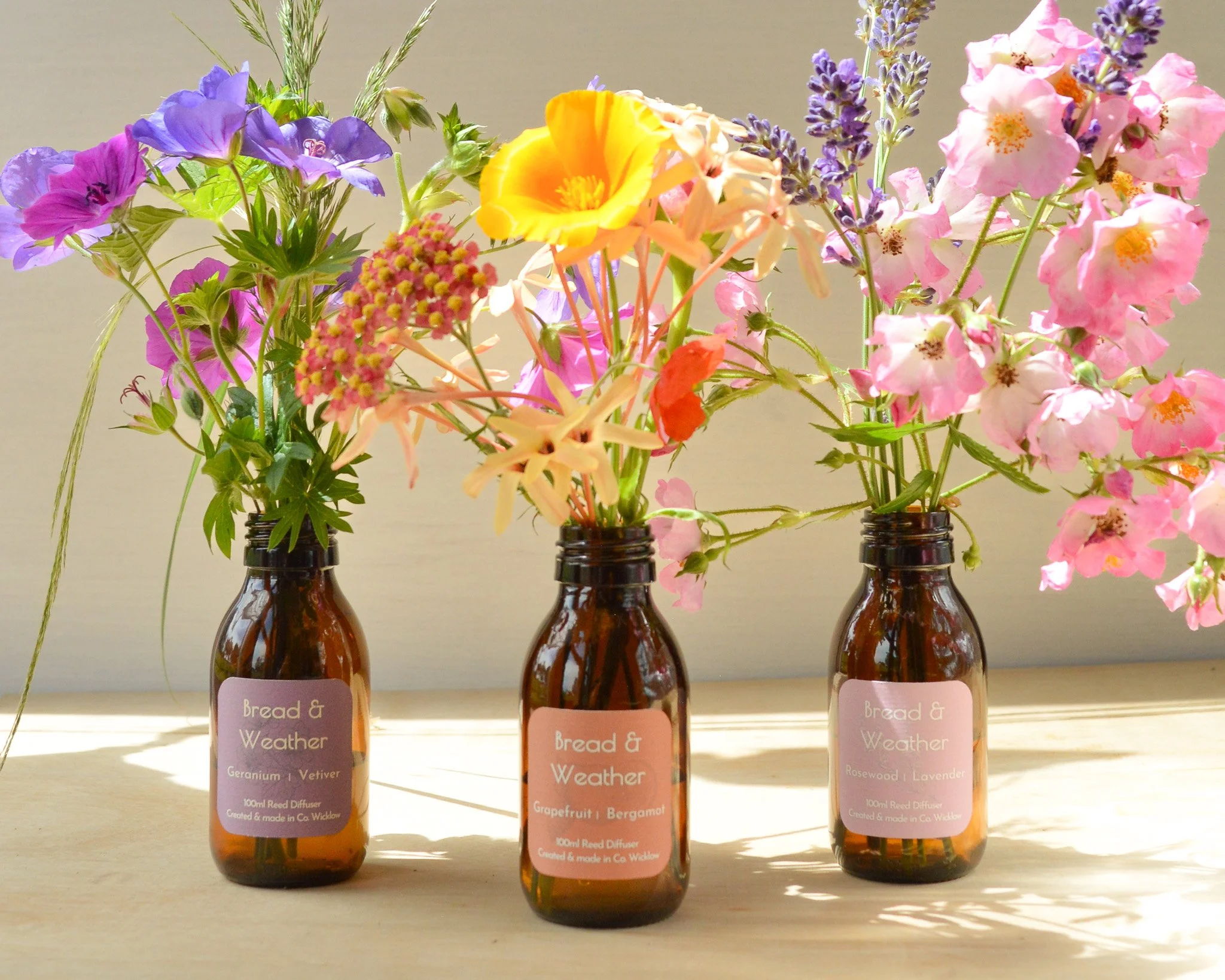
With the increase in consumer goods manufacturing, factories needed quick, reliable and inexpensive scents for everything from laundry detergent to hairsprays.
Synthetic fragrance was developed as a way to offer scents to a mass-market. Instead of growing and harvesting plants, perfumers can build a similar impression in a laboratory using molecules extracted from petroleum.
It’s very similar to why polyester exists as an 'alternative' to wool. Or why stock cubes exist in place of slowly simmered broth.
Difference 3: the experience of scent
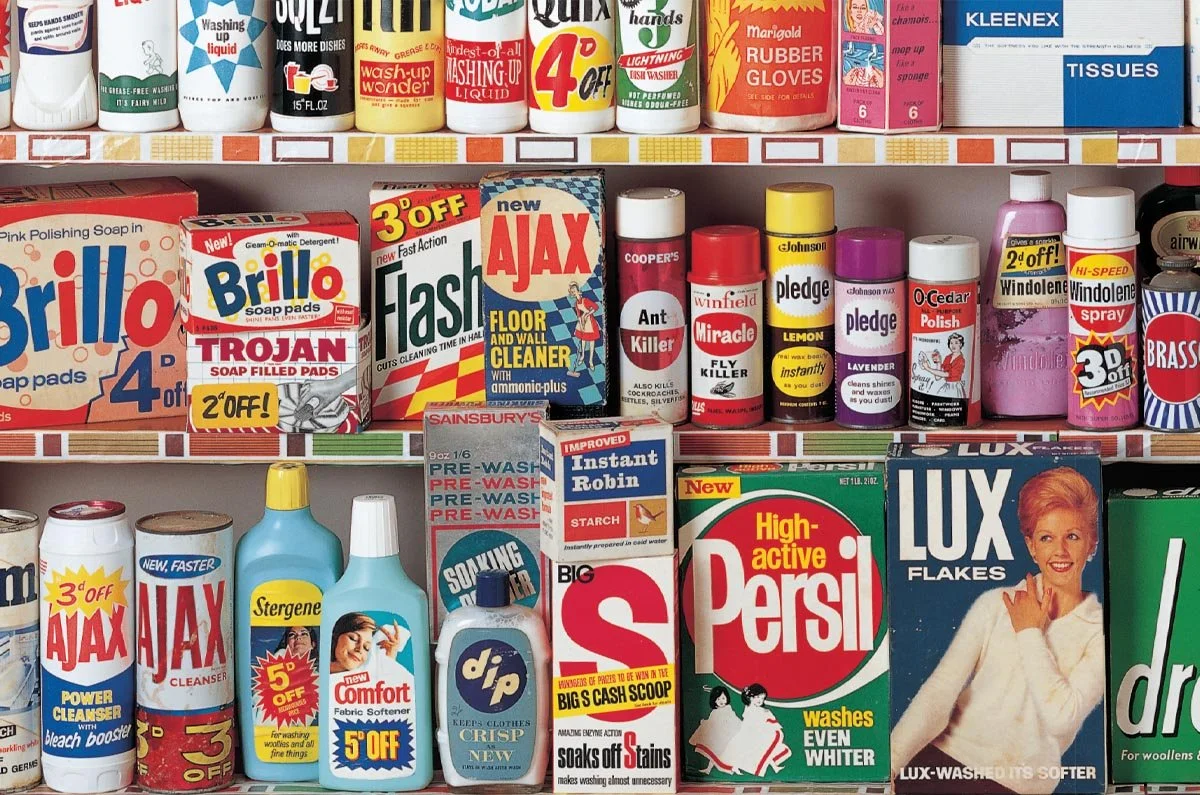
Essential oils feel like interacting with real nature
Synthetic fragrance feels more like perfume
Plants not perfume
We all know that spending time in nature, walking through trees, getting enough daylight and fresh air, can boost our mood and improve wellbeing.
Essential oils don’t just smell like plants, they are concentrated plant material.
When essential oils are used to scent a space, many people experience them as more deeply relaxing or uplifting than synthetic versions. Not because they are magical, but because they are biologically familiar.
Perfume not plants
Rather than reflecting the complexity of a plant, synthetic scent is built to deliver a clear, consistent impression. It often projects more strongly and remains noticeable for longer.
A lot of people love it, and a lot of people don’t.
I heard a great phrase the other day about a new movie. (It was one of those movies with big names, and a lot of hype around it, that everyone has an opinion about).
‘It insists on itself’.
The experience of synthetic perfume could be quite well described by the same phrase.
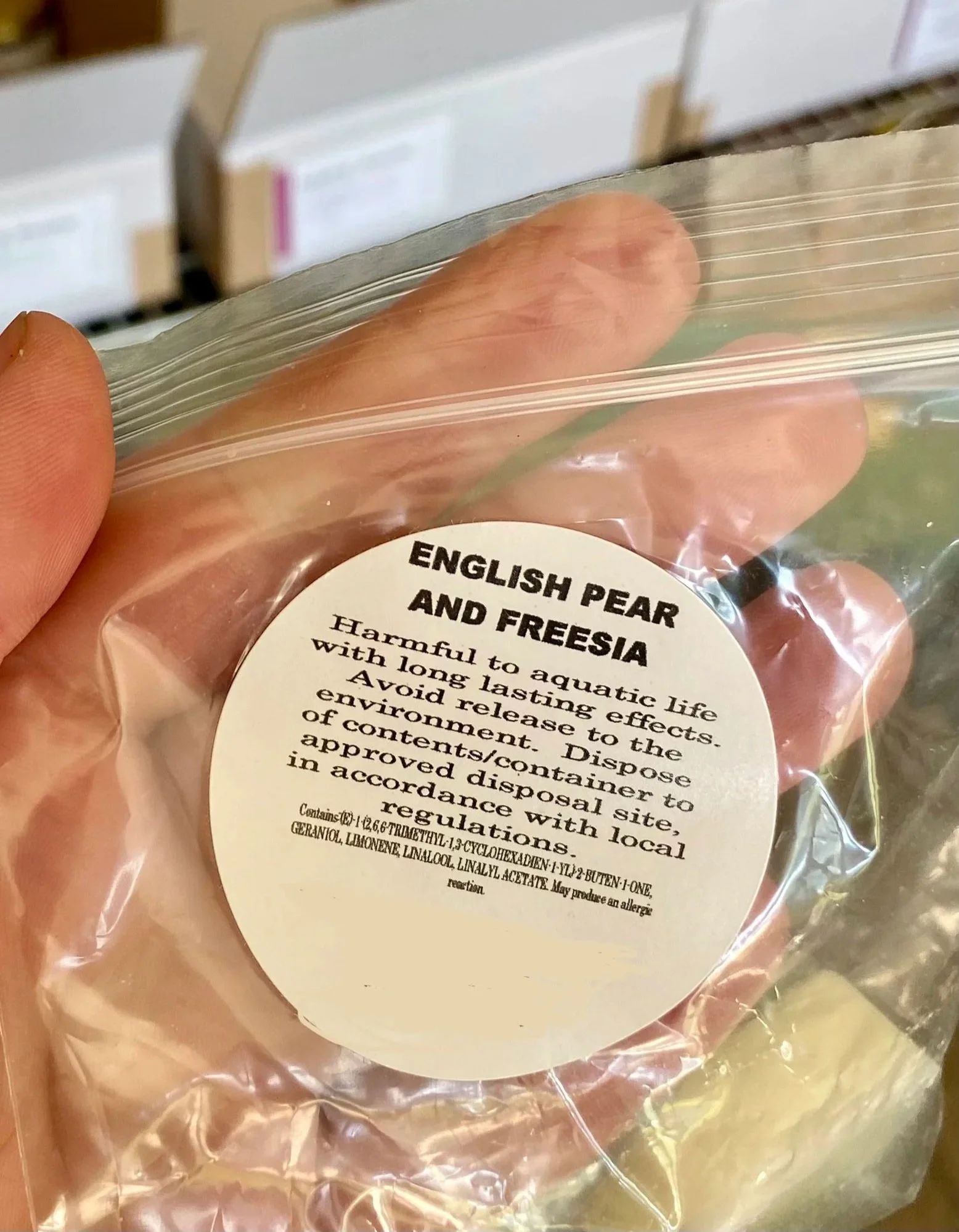
Where it can gets confusing: shopping
Now that we know essential oils come from plants, and synthetic scents come from petroleum, it would be easy to assume that every candle called eg. “Sweet Orange & Juicy Pear” must be an essential oil scent, not synthetic, right?
It’s not the case.
Most fragrance names describe the impression of a scent, rather than its material origin. A label can reference flowers, fruit or forests, even if the aroma was invented entirely in a lab.
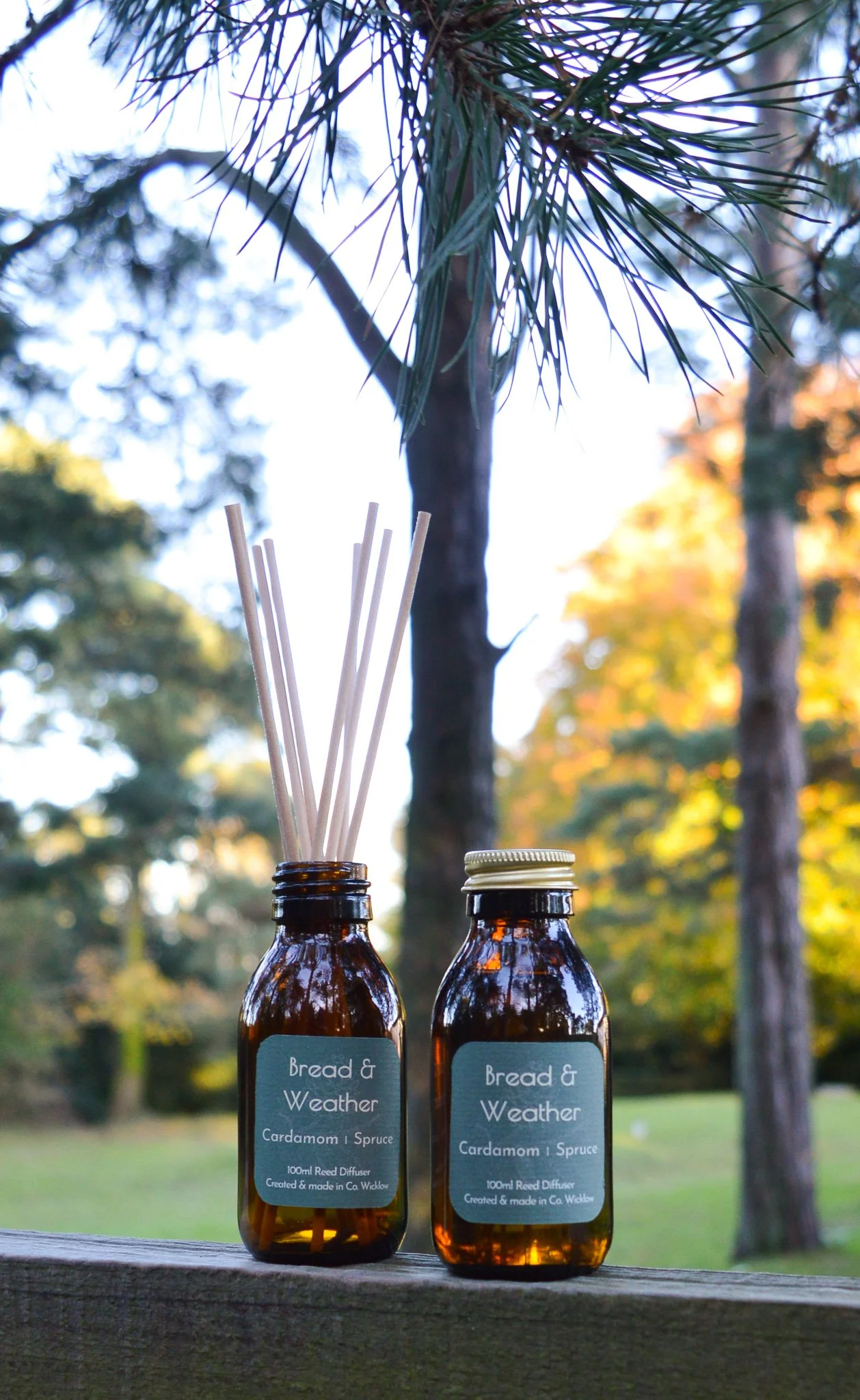
If the origin of scent matters to you, I can tell you for sure that I choose not to work with synthetic scents in my studio. If it says Cardamom Spruce on the label, it’s because the oils have come directly from cardamom pods and spruce needles.